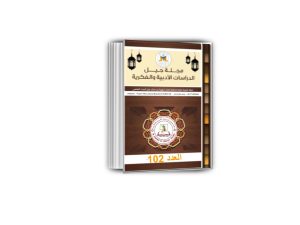
الدلالة والإيقاع في شعر ثابت بن جابر الملقب (تأبّط شرًّا) قصيدة (يا عيد) أنموذجًا
Semantic and Rhythmic Analysis in the Poetry of Thabit ibn Jabir, Called Ta’abbat Sharran: ‘Ya Eid’ Poem as an Example
ط.د. ربيع بابي (جامعة كرابوك – تركية) – Rabee Babi (Karabük University – Turkey)
مقال منشور في مجلة جيل الدراسات الأدبية والفكرية العدد 102، الصفحة 81.
مستخلص:
ينتمي الشاعر ثابت بن جابر المعروف بـ (تأبّط شرًّا) إلى جماعة الصعاليك، عاشت هذه الجماعة في العصر الجاهلي، واشتهرت بثورتها على العرف والعقد الاجتماعي والقيود القبلية فنبذهم المجتمع وطردهم منه، فانتقلوا إلى حياة التشرد في البراري والكهوف والجبال، يمتهنون الإغارة على القبائل الغنية وسرقة القوافل التجارية لتحصيل رزقهم والحصول على قوت يومهم، كان ذلك وسيلتهم للاستمرار في البقاء على قيد الحياة، ومما يشير إلى أنهم أجبروا على الانغماس في حياة الصعاليك اتصافهم بصفات خُلقية حسنة كالكرم والشجاعة والمروءة.
وقد ظهر منهم شعراءُ متميزون تركوا نتاجًا أدبيًّا جميلًا، اتصفَ شعرُهم بجزالة الألفاظ ودقة التعبير والتصوير وتميّز بظهور الأنا وتقدير الذات كالشجاعة والكرم، والشعور بالاغتراب لابتعادهم عن الجماعة، وقد أتاح لهم التمردُ والثورةُ على الأعراف الظالمة والتحررُ من القيود الاجتماعية مساحةً كبيرةً من الإبداع في شعرهم.
يهدفُ البحث إلى دراسة هذا النوع من الأدب وإظهار جماليته وسماته الفنية للمتلقي من خلال الدراسة الدلالية والإيقاعية وذلك بالاستعانة بنموذج شعري لثابت بن جابر الملقب “تأبط شرّا” من خلال قصيدته -ياعيد مالك- من خلال الجمع بين الدلالة والإيقاع الداخلي والخارجي وتوظيف الأدوات والوسائل الفنية.
وقد تبين للباحث أنّ الشاعرَ ثابت بن جابر (تأبط شرًّا) استطاع بناء قصيدة “يا عيد مالك” بالجمال والابداع الفني الأدبي، وقد تميّز في التعبير عن الكرم والوفاء والألم والاغتراب، لذلك تعتبر قصيدته مثالًا على الإبداع الفني في شعر الصعاليك وشاهدًا صادقا على حياتهم الإنسانية الصعبة والمعقدة.
الكلمات المفتاحية: اللغة العربية، الأدب الجاهلي، شعر الصعاليك، تأبط شرّا، الدلالة، الإيقاع.
Abstract:
The poet Thabit ibn Jabir, known as Ta’abbat Sharran (literally “He Tucked Evil under His Arm”), belongs to the group of Vagabond poets. This group lived during the pre-Islamic era and became renowned for their rebellion against social customs, social contracts, and tribal constraints. Consequently, society rejected and expelled them, forcing them to adopt a nomadic lifestyle in the wilderness, caves, and mountains. They engaged in raiding wealthy tribes and robbing commercial caravans to secure their livelihood and daily sustenance. This became their means of survival. What indicates that they were compelled to engage in this vagabond lifestyle is their possession of noble moral qualities such as generosity, courage, and chivalry.
Distinguished poets emerged from among them, leaving behind beautiful literary works. Their poetry was characterized by eloquent diction, precise expression, and imagery and was distinguished by the prominence of the ego and self-appreciation, such as courage and generosity, as well as feelings of alienation due to their separation from the community. Their rebellion and revolt against unjust customs and their liberation from social constraints provided them with vast space for creativity in their poetry.
This research aims to study this type of literature and reveal its aesthetic qualities and artistic features to the recipient through semantic and rhythmic analysis, utilizing a poetic model by Thabit ibn Jabir, nicknamed “Ta’abbat Sharran,” through his poem “Ya Eid Malak” (O Eid, What Is Wrong with You), by combining semantics with internal and external rhythm and employing artistic tools and techniques.
The researcher has determined that the poet Thabit ibn Jabir (Ta’abbat Sharran) succeeded in constructing the poem “Ya Eid Malak” with beauty and literary artistic creativity. He excelled in expressing generosity, loyalty, pain, and alienation. Therefore, his poem is considered an example of artistic creativity in Vagabond poetry and serves as a truthful witness to their difficult and complex human existence.
Keywords: Arabic language, Pre-Islamic literature, Vagabond poetry, Ta’abbata Sharran, semantics, rhythm.